VAWA & Evictions: The Critical Notices Landlords Must Serve

Friday, February 6, 2026

Landlords, a simple paperwork mistake could cost you your entire eviction case. Under the Violence Against Women Act (VAWA), owners and managers of federally assisted housing must serve specific HUD notices when beginning a tenancy or pursuing eviction. Failing to comply can lead to dismissal in court, lost rent, and wasted legal fees. In the video below, we’ll explain your obligations and how to protect your eviction from costly errors.

Contact SNS Law Group today to ensure your notices are compliant and your case stays on track.

Transcript:

Landlords, here’s something that can make or break your eviction action. Under the Violence Against Women Act, formerly known as VAWA, you have a legal duty to serve tenants with special notices. If you don’t, your eviction could get tossed out.

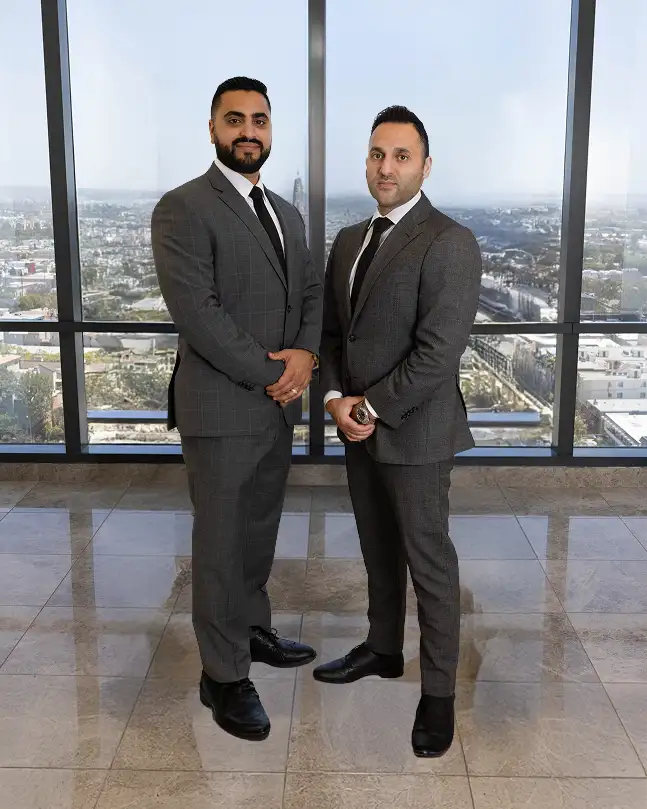
Hi, my name is Bijaj Shakibkoo. I’m a co-founder and managing partner here at SNS Law Group. And if you enjoy this video, please feel free to like and subscribe.

Violence Against Women Act and Evictions

VAWA protects tenants who are survivors of domestic violence, dating violence, sexual assault, or stalking. It applies if you own or manage federally assisted housing, such as Section 8, public housing, and similar programs.

HUD Notices Required for Evictions

The key requirement is notices: you must provide two HUD forms. HUD form number one is a notice of occupancy rights, and HUD form number two is a self-certification form.

Here is when you have to serve them: at move-in with the lease, any time you serve an eviction or termination notice, and whenever a tenant asks for them.

Potential Dismissal When Notices Are Skipped

If you skip these notices, the tenant can raise it as a defense in court. Judges can and do dismiss actions over this. That’s months of lost rent and wasted attorney’s fees, all because the paperwork wasn’t done right.

The notice requirement under VAWA isn’t optional. Miss it, and your eviction could be dismissed in court.

Contact SNS Law Group for Evictions Involving VAWA

If you own or manage federally assisted housing, call our office today. We’ll help you update your notices, train your staff, and make sure that your eviction case stays on track.
Top Los Angeles real estate law firm for litigation and transactions.

Get Your Free Consultation
Call 424-220-2052

Frame-1000006431 Web-Image-Mobile


Leading Real State Law firm
near you in Los Angeles

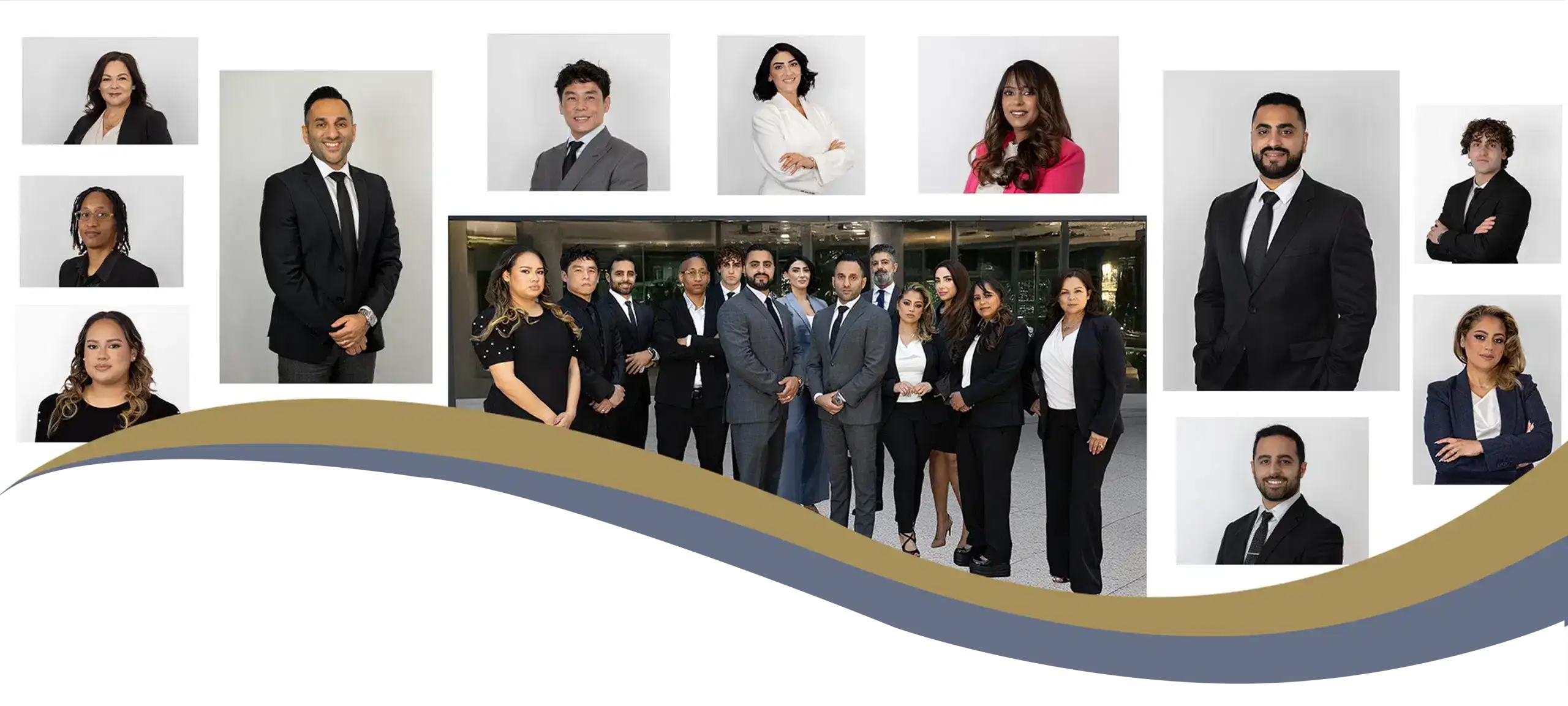
At SNS Law Group, we have consistently nurtured a collegial approach among our lawyers, assuring effective teamwork in handling client work while maintaining a results-driven culture and providing exceptional legal counsel with a clear focus on value. At our California law firm, we are committed to the continuous development of our people and the resources essential to delivering effective and distinctive legal services throughout Southern California.

Backed by years of experience and a dedication to putting the needs of our clients first, SNS Law Group is proud to serve the Los Angeles County community with exceptional expertise. When you need legal help, we’re the team to turn to. With our reputation for being able to turn even the most difficult cases around, it’s our mission to go the extra mile for each and every client that turns to us for assistance in their time of need.


Leading Habitability Law Firm Near You in Los Angeles

At SNS Law Group, we recognize how challenging it can be when a property is no longer safe or suitable to live in. Issues such as mold, pest infestations, lack of heat, broken plumbing, or other habitability concerns can quickly escalate into serious disputes. Our attorneys bring extensive experience in addressing Habitability Claims in Los Angeles, working to resolve conflicts efficiently and ensure that the responsibilities of all parties are upheld under California law.

Whether you are a tenant concerned about unsafe conditions, a landlord facing a habitability dispute, or a property owner seeking legal guidance, we are here to provide clear advice and strong representation. With a proven record in Real Estate Habitability cases and related litigation, SNS Law Group is committed to finding fair solutions, pursuing necessary repairs or compensation, and protecting your rights every step of the way.

slider-images

Client
Testimonials

What makes a rental unit “uninhabitable” under California law?
Can my landlord evict me for complaining about unsafe conditions?
What should landlords do to protect themselves from habitability claims?
Can habitability issues affect an eviction case?

Text Messages That Could Ruin Your Eviction Case

14
May

Text Messages That Could Ruin Your Eviction Case


Los Angeles landlords should be careful with every text they send to a tenant. What feels like a quick, harmless message can become written evidence in an eviction case. Texts abou...

Read More
Introducing Khushboo Vasandani and Her Journey as a Trial Attorney

14
May

Introducing Khushboo Vasandani and Her Journey as a Trial Attorney


Meet Khushboo Vasandani, Associate Attorney at SNS Law Group, and learn why she fights for tenants facing unsafe and unhealthy living conditions across California. After beginni...

Read More
A Renter’s Guide to California Habitability Laws

14
May

A Renter’s Guide to California Habitability Laws


Every California tenant has the right to safe, livable housing. When a rental unit has serious problems like broken plumbing, no heat, unsafe stairs, mold, pests, or other habitabi...

Read More

Contact Our Los Angeles Real Estate and
Business Law Firm Today

Get Your Free Case Evaluation

Prefer the phone? Want to talk now? (424) 220-2052


© 2026 SNS Law Group. All rights reserved.

Disclaimer: Attorney Advertising. SNS Law Group, APC. Principal Office: 12100 Wilshire Blvd, Suite 1420, Los Angeles, CA 90025. Attorneys responsible for this advertisement: Edrin Shamtob & Bijan Shakibkoo. This material is provided for informational purposes only and should not be construed as legal advice. Transmission or receipt of this information does not create an attorney-client relationship. Prior results do not guarantee a similar outcome.